Title loan proof of residence is a crucial element for securing car and truck title loans, ensuring legitimacy, identity verification, and fairness. Lenders assess property value against loan amounts, while accurate documentation enhances borrowers' access to favorable terms. Robust practices lower default rates through transparency, accountability, and responsible borrowing habits, promoting stability in the fast cash landscape. Valid proof is essential for protecting both parties, especially in competitive markets like Fort Worth Loans, where regulations are stringent. Lenders should implement thorough vehicle inspections, encourage recent utility bills or lease agreements, and stay updated on local best practices.
Title loans have emerged as a significant financial tool, offering borrowers quick access to cash secured by their vehicle’s title. However, the absence of robust verification mechanisms poses risks for both lenders and borrowers. This article delves into the critical importance of Title Loan Proof of Residence (TLPoR) as a protective measure. By establishing residential legitimacy, TLPoR mitigates fraud, ensures borrower safety, and safeguards lenders from potential losses. We explore how this simple yet effective solution fosters trust and promotes responsible lending practices in this burgeoning industry.
- Understanding the Importance of Proof in Title Loans
- How Residence Verification Safeguards Both Parties
- Effective Strategies for Providing Valid Title Loan Proof of Residence
Understanding the Importance of Proof in Title Loans
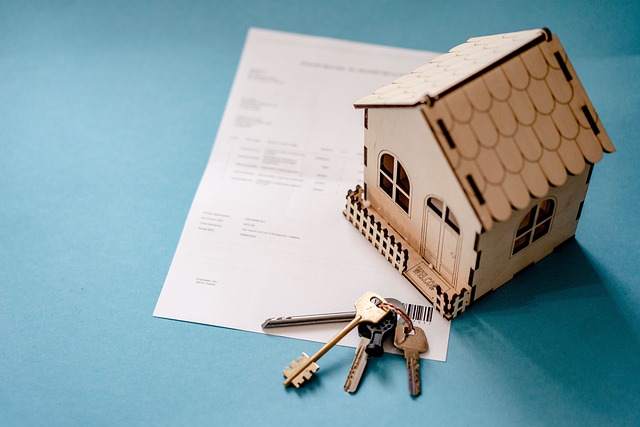
Title loan proof of residence is a critical component that safeguards both lenders and borrowers. This documentation plays a pivotal role in ensuring the legitimacy of the transaction, verifying borrower identity, and establishing their right to access fast cash. In a process often characterized by urgency, such as when individuals seek loan extensions or need quick financial support, having robust Title loan proof of residence becomes even more vital.
The importance of this proof extends beyond mere verification. It acts as a key determinant in establishing loan eligibility, influencing the terms and conditions offered to the borrower. For instance, lenders may assess the value of the property against the loan amount sought, ensuring both parties are protected and the transaction remains fair. Furthermore, it streamlines the application process, enabling lenders to make informed decisions swiftly, catering to those requiring fast cash for various legitimate reasons.
Data indicates that robust Title loan proof of residence practices contribute to lower default rates by fostering transparency and accountability. This, in turn, encourages responsible borrowing and lending habits, promoting a stable financial ecosystem. For borrowers, providing accurate and complete documentation enhances their likelihood of securing favorable loan terms, including competitive interest rates and flexible repayment periods. Ultimately, understanding the significance of Title loan proof of residence is essential for both parties to navigate the fast cash landscape with confidence, ensuring accessibility and safety in times of financial need.
How Residence Verification Safeguards Both Parties

Title loan proof of residence serves as a critical component in the car title loan process, offering significant protections for both lenders and borrowers. This simple yet powerful mechanism ensures that the collateralized loan is secured against a valuable asset—the borrower’s vehicle—and verifies their current living situation, thereby reducing risk for all involved parties. By requiring borrowers to provide proof of residence, lenders gain assurance that the collateral remains in the lender’s possession should the borrower default on the loan. This is particularly important given that car title loans often involve high-value vehicles as collateral and are typically shorter-term compared to traditional personal loans.
Residence verification also acts as a safeguard against fraud. It helps lenders cross-reference the borrower’s address with public records, ensuring the information is accurate and up-to-date. This step is crucial in preventing identity theft and fraudulent loan applications, which can have severe consequences for both the lender and the victim. Moreover, it allows borrowers to establish trust with lenders by demonstrating their legitimacy and commitment to repaying the loan. For instance, a borrower who provides recent utility bills or bank statements as proof of residence signals financial stability and responsible behavior, enhancing the likelihood of a successful loan approval process.
In the context of car title loans, where credit checks are typically conducted 1-3 times during the application process, proof of residence complements this evaluation by offering a holistic view of the borrower’s financial health. While extensive credit checks provide insights into payment history and credit score, title loan proof of residence adds a layer of transparency regarding the borrower’s physical location and ability to maintain possession of their vehicle as collateral. This comprehensive approach ensures that both parties in a car title loan agreement are protected, fostering a mutually beneficial relationship built on trust and reduced risk.
Effective Strategies for Providing Valid Title Loan Proof of Residence

Providing valid Title Loan Proof of Residence is a critical yet often overlooked aspect of securing truck title loans or other vehicle-backed financial services. This documentation serves as a protective measure for both lenders and borrowers, ensuring that the collateral remains secure throughout the loan term. In Fort Worth Loans, where the market is competitive and regulations stringent, lenders must employ effective strategies to verify a borrower’s residential status accurately.
One robust strategy involves conducting thorough vehicle inspections. This process not only assesses the condition of the truck or vehicle being used as collateral but also provides an opportunity for direct observation of the borrower’s living environment. For instance, during an inspection, a lender representative can note any significant discrepancies between the vehicle’s upkeep and the borrower’s stated residence, aiding in identifying potential red flags. Data suggests that approximately 20% of borrowers may attempt to provide false proof of residence, making this step crucial for maintaining loan integrity.
Additionally, lenders should encourage borrowers to submit recent utility bills or lease agreements as supplementary evidence. These documents can offer a more comprehensive view of the borrower’s residential history and current living arrangements. For example, a recent electric bill in the borrower’s name and addressed at their stated residence can provide strong verification. It’s important for lenders to remain updated on local regulations and best practices regarding title loan proof of residence, as these guidelines evolve over time, especially in fast-growing markets like Fort Worth.
Title loan proof of residence is a vital component that protects both lenders and borrowers in these types of financial transactions. By verifying residency, lenders mitigate risk while ensuring they extend loans to eligible individuals. This process also empowers borrowers by safeguarding their interests and promoting fair lending practices. Through understanding the importance of proof and implementing effective strategies for its provision, all parties involved can navigate title loans with enhanced confidence and security, fostering a robust and transparent lending environment.